A history of our commitment.
In addition to our major work of founding Bloomington’s first hospital (now Indiana University Health Bloomington), and supporting its four major expansions, the Local Council of Women have developed numerous organizations throughout the years dedicated to strengthening and supporting our community’s healthcare system.
Finding our voice.
First organized in 1897, members of nine different public-spirited women’s clubs in Bloomington, Indiana, came together to collectively promote work in the community’s interest. This small group of representatives eventually formed what we know today as the Local Council of Women (LCW).

Hopewell House
During the group's January 1905 meeting in the Gentry Hotel, Mrs. John Harris, wife of the Monon railway surgeon at the time, told of a tragic accident that occurred in October of the previous year in which a young man’s legs were mangled by a passing train and all efforts by three local physicians to save his life were unsuccessful. With no hospital facility available, the boy died in the office of the railway surgeon.
The outpouring of sympathy from the council over this horrific event set in motion tentative plans for the development of a healthcare facility that could meet the needs of the community. And, in February 1905, the following women incorporated under the name "Local Council of Women" for the purpose of acquiring and operating a hospital that could serve the Bloomington community:
- Maude E. (Showers) Wilson
- Julia A. Blair
- Lena M. Beck
- Antoinette M. Mottier
- Flora D. Kitson
- Alice A. Buskirk
- Vesta T. Rogers
- Anna B. Hill
- Atlanta C. Holland
- Laura C. Mathers
- Minnie Waldron
- Anna B. Hoffman
- Eudora Shoemaker
- Catherine A. Harris
- Sarah C. Duncan
- Charlotte Lowe Bryan
- Mable Tichenor
- Irene Burtt
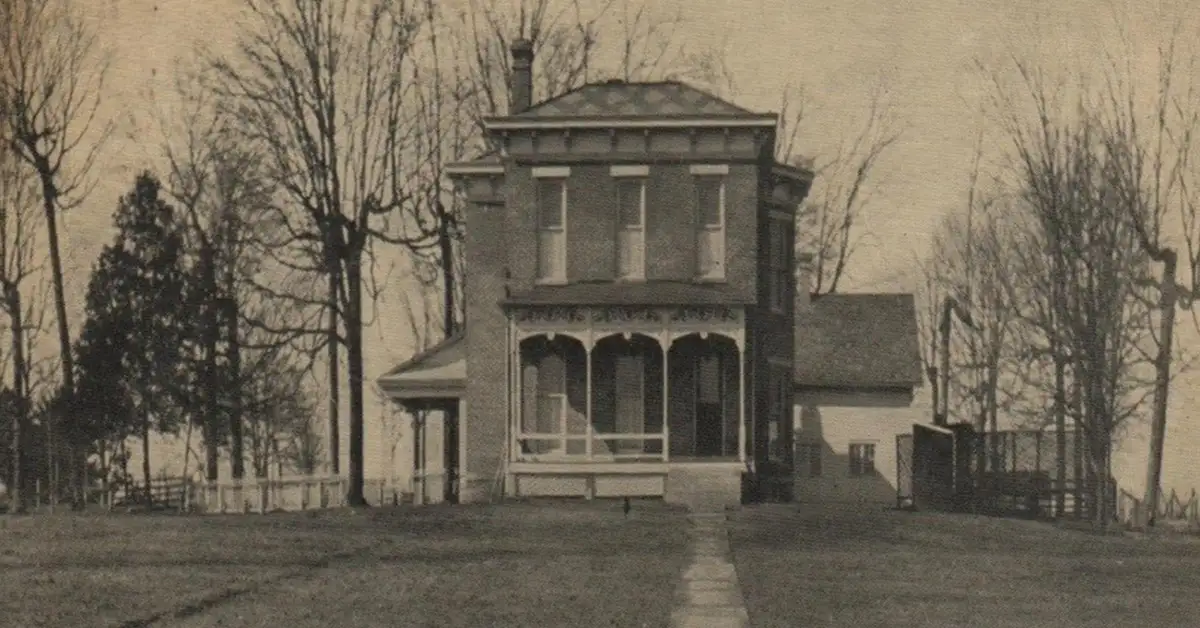
Soon, a 4 ½ acre tract of land on the corner of Rogers and First Street with a barn and a two-story, ten-room, red brick house on the property known as the Hopewell House was chosen for the hospital’s location. The LCW raised $2,500 to be put towards the $6,000 purchase price of the land, as well as an additional $3,000 for repairs to the Hopewell House which was built circa 1880. And on November 29, 1905, the Hopewell House opened as the first Bloomington Hospital.
Expansion One
However, the community was growing, and the Local Council of Women set their sights on helping to develop a hospital on the same property that could continue to meet the needs of the community and started accumulating a building fund for that purpose.
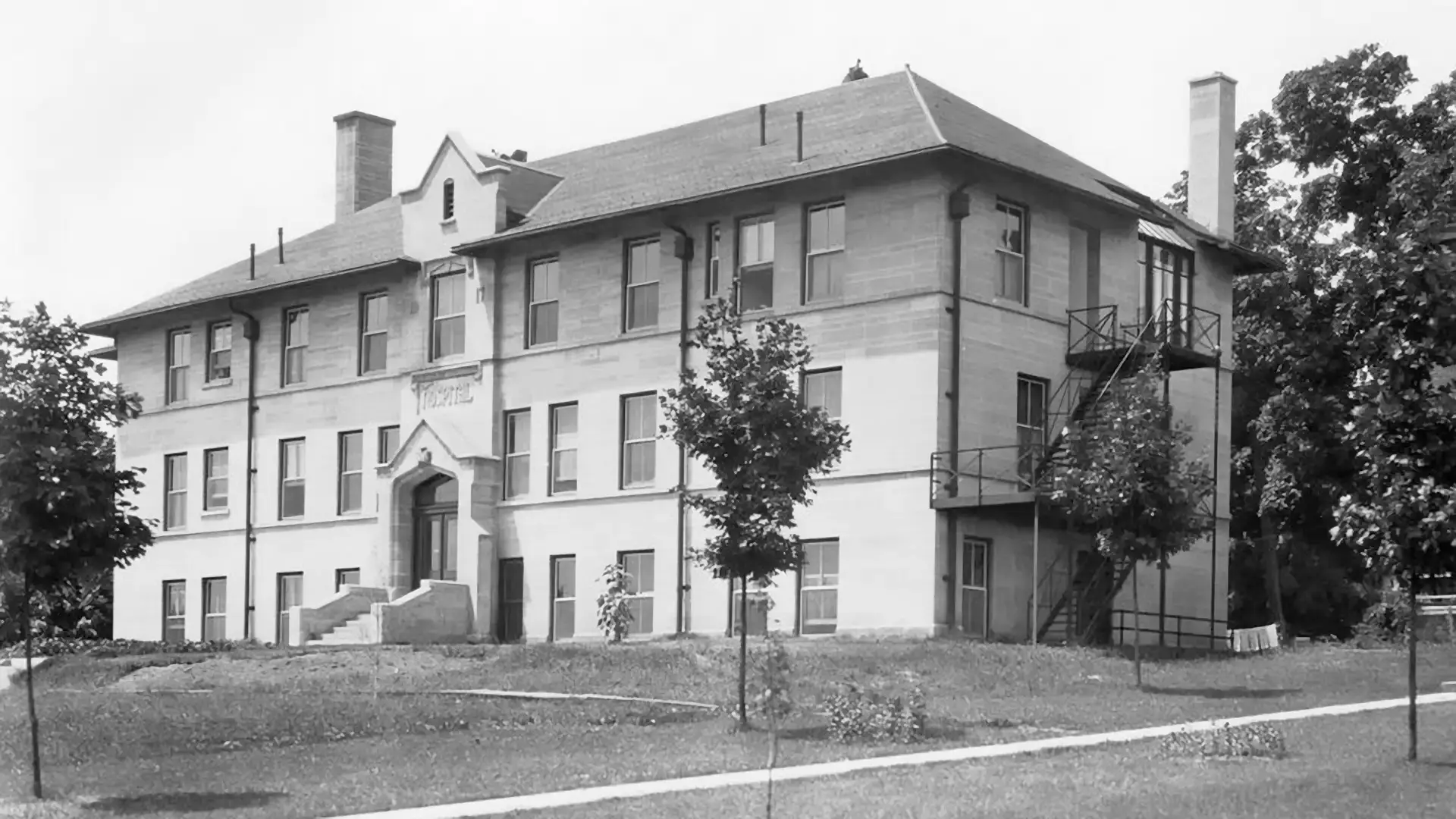
In April 1917, promoted as a war measure and funded through the sale of Liberty Bonds, the Local Council of Women announced plans for a new hospital. And, in 1919, a new 35-bed limestone building was constructed at a cost of $60,000 and the old red brick Hopewell House was converted into nurses’ quarters.
Expansion Two
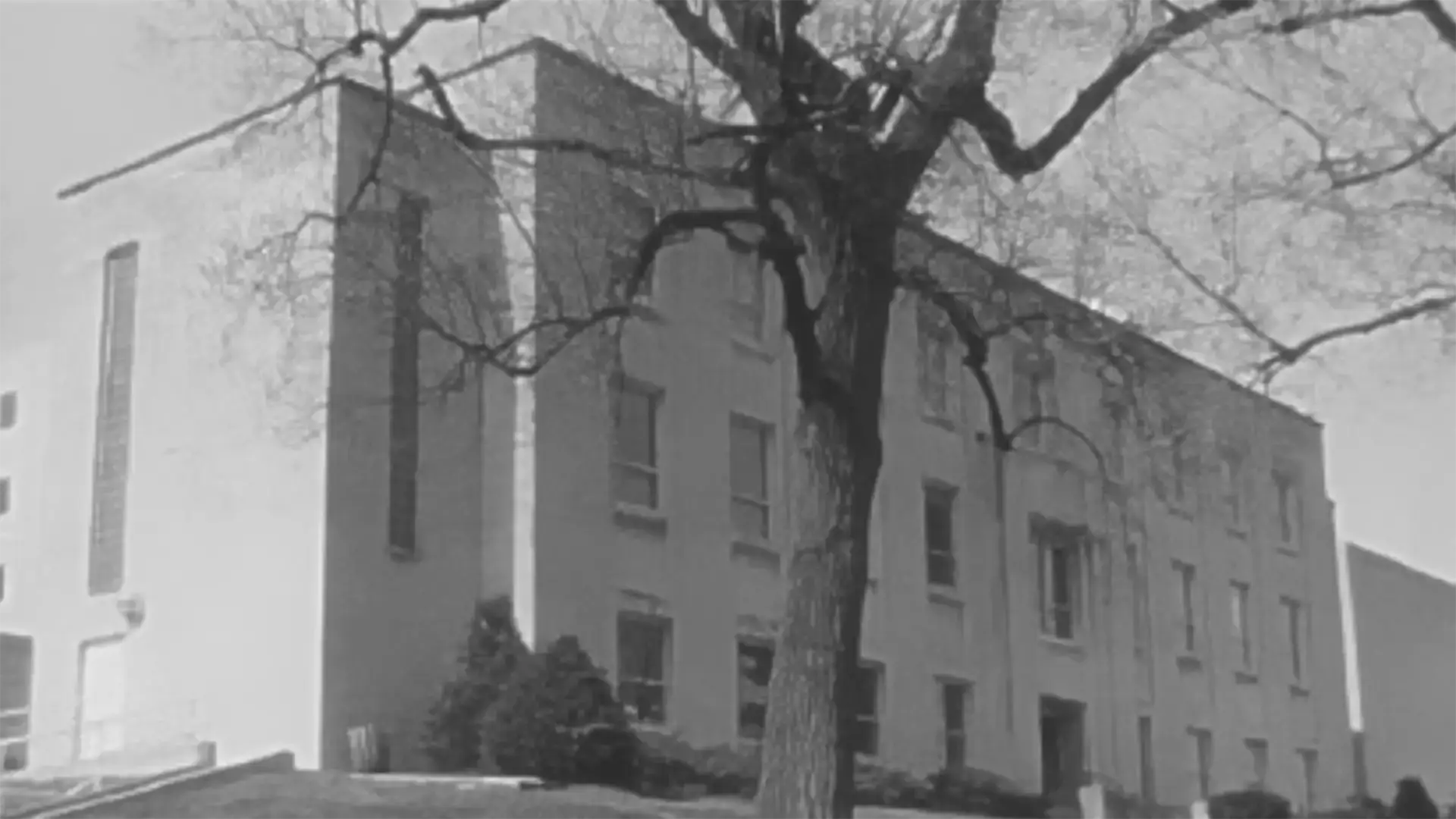
As early as 1943, with a concern for the health of soldiers returning from World War II, advancements in medical technology, and a growing population, plans for a third hospital expansion were organized by the Local Council of Women for a limestone addition to be added on the east side of the 1919 building. Altogether, $125,000 was raised for the expansion known as the Kohr Building and construction was completed in 1947.
Bloomington Hospital Auxiliary
In 1961, the Local Council of Women founded the Bloomington Hospital Auxiliary to provide an effective base of community volunteers to help staff the hospital information desk, gift shop and various other hospital operations and has served as a generous source of support.
Bloomington Hospital Foundation
In 1965, after three years of planning and research, the Local Council of Women founded the Bloomington Hospital Foundation (now the Bloomington Health Foundation) with a treasury of $3,000. In 1967, the Bloomington Hospital Foundation was incorporated within the framework of the Local Council of Women for the actual operation of the hospital and centralized the work of fund-raising.

Expansion Three
Continuous growth and evolving medical technology continued to motivate expansion. After raising $2.25 million dollars to add an additional 140 beds and 213,000 square feet of space, the decision was made to demolish the Hopewell House where the hospital originated and construction on the west expansion, which began in 1963, was completed in March 1965.
Meals on Wheels
Founded by the Local Council of Women in 1973, Bloomington Meals on Wheels (MOW) has been serving our neighbors in Bloomington, Indiana for over 50 years providing medically tailored meals prepared by IU Health Bloomington and Meadowood retirement community kitchen to homebound individuals within the city limits who are unable to cook for themselves due to chronic illness, disability, injury, or advanced age.
MOW ensures that clients receive two nutritious meals per day, delivered by a friendly volunteer, helping people maintain their independence and cuts health care costs by allowing clients to remain in the comfort of their own homes. Many clients depend upon the service long-term while others only need the service temporarily as they recover from a hospital stay or illness.
Hospice Care
In 1974, the Local Council of Women founded Hospice of Bloomington (now IU Health Hospice), which provides practical and emotional support to loved ones and patients who are in the end stages of life.
Expansion Four
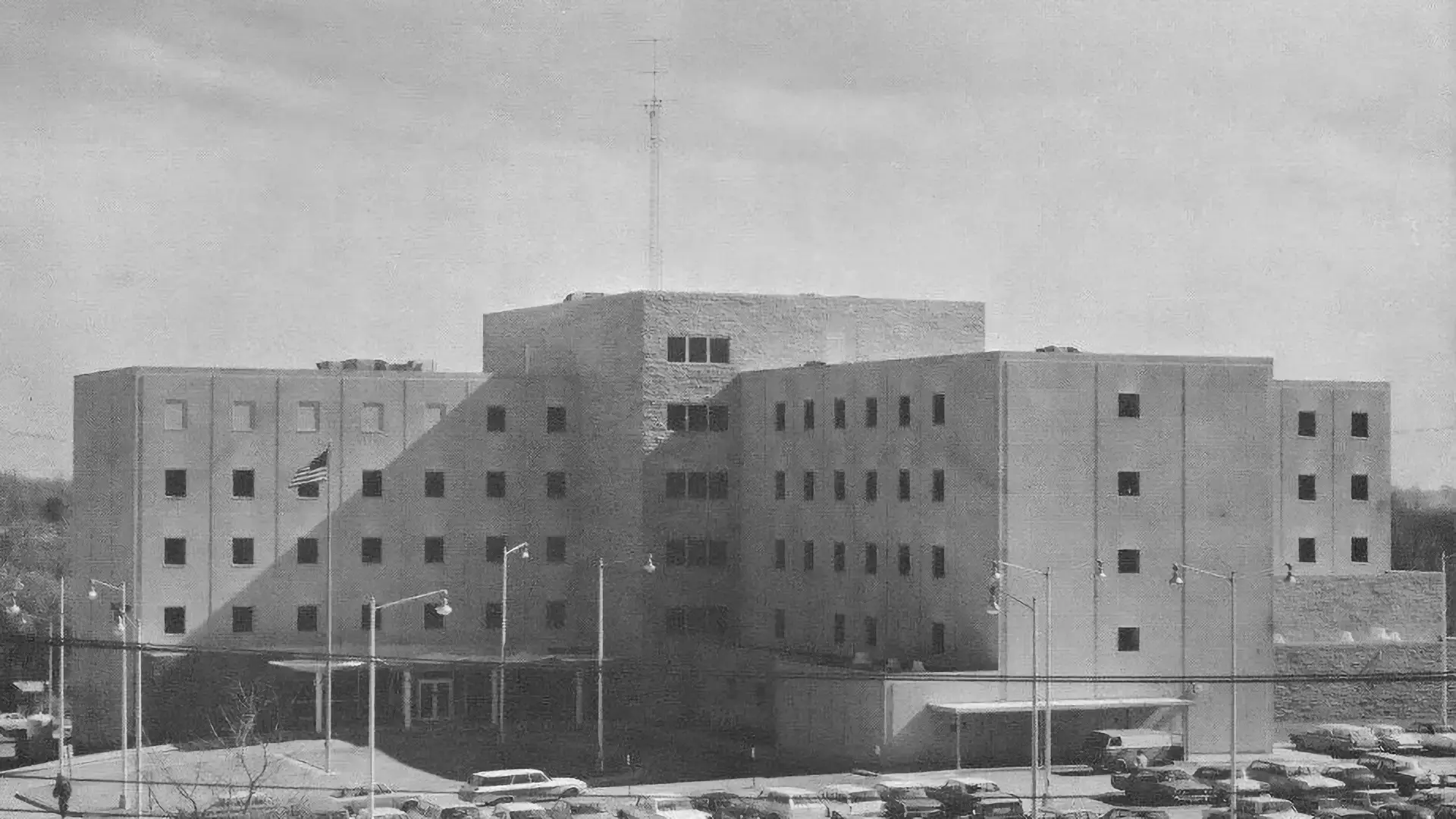
By 1977, expansion and renovation plans were under way to bring the hospital to well over 300 beds and remodel numerous operating functions
Property Transfer
In 1987, LCW deeded the hospital properties to Bloomington Hospital. The incorporation documents required that Bloomington Hospital had to obtain LCW approval to sell more than five percent of its assets in any given year and retained LCW’s responsibility of appointing six members to the Hospital Board.
Transition to Clarian
In February 2008, the Local Council of Women membership met to vote on a highly controversial merger proposal that would allow Bloomington Hospital to change its by-laws to enable a merger with the Clarian Health system of hospitals. This was the most overwhelming period for the LCW Board in decades. This hotly contested change caused the LCW membership to grow from 110 to over 1,200 in just a few weeks and the vote was close, but the majority voted to merge. This initial vote was called into question, and there was a petition for a re-vote and a second membership meeting was held, where the vote remained the same—in favor of a merger with Clarian. However, LCW retained its power to approve future by-laws changes for Bloomington Hospital and the right to appoint six members to the Hospital Board.
Transition to IU Health
Clarian, renamed IU Health, requested permission in January 2018 to dissolve the Bloomington Hospital board of directors and to form a regional board that includes community representatives from Bloomington, Bedford, Paoli, and Martinsville. The LCW membership approved the dissolution and LCW was given a seat on the regional board as well as an Ad Hoc position, and three seats on the newly created Community Health Committee, which received $250,000 to advance community health initiatives. LCW itself was given $500,000 to help promote community health projects.
Past Presidents
Works Cited
Wier, Susan. “LCW Then, Now, & Looking Toward the Future.” The Local Council of Women Newsletter, Fall 2022, p. 2